


Life is a Journey of Escapes is reader-supported. When you buy through links on our site, we may earn an affiliate commission. Learn more
Africa Reflections Series
Years ago, I lived in Johannesburg during the early years following the end of apartheid.
Returning now—years later and with a different perspective—has reminded me how travel changes as we do.
This series begins with Johannesburg, a city I’ve come to know not through checklists, but through experience—through the places I return to, and the ways I introduce others to it.
Planning a Visit to Johannesburg?
If you’re visiting Johannesburg for the first time, here are a few helpful basics before diving into the experiences that reveal the city’s story.
Best time to visit
May through September offers cooler, dry weather ideal for sightseeing and nearby safari experiences.
How many days to stay
Two to three days in Johannesburg is enough time to explore the city and take a day trip to a nearby safari reserve.
Where most visitors stay
Sandton, Rosebank, and Melrose Arch are popular areas for visitors because they are safe, well-developed, and close to many attractions.
Don’t miss
The Apartheid Museum, Soweto, and at least one safari experience near the city.
Good to know
Johannesburg is a large metropolitan city. Many travelers explore with guided tours or private drivers to make the most of their time.
Why Johannesburg Is Worth Visiting
Many travelers skip Johannesburg and fly directly to Cape Town or safari destinations. But doing so means missing the place that tells the deeper story of South Africa.
Johannesburg is the country’s economic engine and one of the most diverse cities on the African continent. It is a place where history, culture, and modern development collide in fascinating ways.
For me, Johannesburg will always be a city of contrasts.
I first arrived in 1994 after leaving corporate America to work for a small company investing in South Africa. The goal was to contribute, in some small way, to rebuilding the workforce and expanding economic opportunity in the years following apartheid.
I lived in Sandton, now known as the financial center of Johannesburg. What surprised me most when I first arrived was how modern and developed the city felt. The highways were wide and well maintained, and the infrastructure rivaled many cities in the United States.
But the contrasts were impossible to ignore.
Driving along the highway between Sandton and the township of Alexandra, you could see two very different realities. On one side were modern office buildings and wealthy neighborhoods. On the other were densely packed homes and informal settlements.
Yet despite those contrasts, what I came to love most about Johannesburg was the people.
The warmth, the music, the mix of languages and cultures, and the energy of a country stepping into a new chapter created an atmosphere unlike anywhere I had lived before.
Because of my work, I often hosted visitors from the United States—corporate colleagues, investors, and friends who wanted to see South Africa for themselves. Every couple of months I found myself planning similar itineraries, carefully selecting experiences that would help them understand the country’s story.
Over time, I realized there were a handful of places that consistently helped visitors understand Johannesburg in a deeper way.
If you’re visiting for the first time, these are the experiences I always recommend.
If you’re planning a trip to Southern Africa, thoughtful preparation makes the experience far more enjoyable—especially when it comes to long flights and packing well for the journey.
1. Visit the Apartheid Museum
The Apartheid Museum is often the first stop I recommend for visitors to Johannesburg.
For many Americans, it provides historical context they may not have fully learned or understood before arriving in South Africa.
The experience begins in a powerful way. Visitors receive tickets labeled by race—“White” or “Non-White”—and enter the museum through separate entrances. Although symbolic, it immediately illustrates the arbitrary and oppressive nature of apartheid.
Inside, photographs, video footage, and personal accounts document decades of struggle and resistance.
But what stays with most people isn’t just the information—it’s the weight of the experience itself.
Many of my visitors have left the museum deeply moved. The exhibits reveal not only the political system that defined South Africa for decades, but also the courage of the people who fought to dismantle it.
It’s not a place to rush through. It’s a place to move through slowly—and to carry with you long after you leave.
It remains one of the most emotional and important museums I have ever visited.
2. Explore Soweto and Vilakazi Street
After the Apartheid Museum, I often brought visitors to Soweto, one of South Africa’s most historically significant townships.
Many people arrived expecting to feel anger about the country’s past. Instead, they often encountered something entirely different—warmth, pride, and a vibrant sense of community.
Soweto played a major role in the anti-apartheid movement, and several important landmarks are located here.
The Hector Pieterson Memorial commemorates the students who protested the apartheid education system during the 1976 uprising. Seeing the well-known photograph of Hector Pieterson carried through the streets is a powerful reminder of that moment in history.
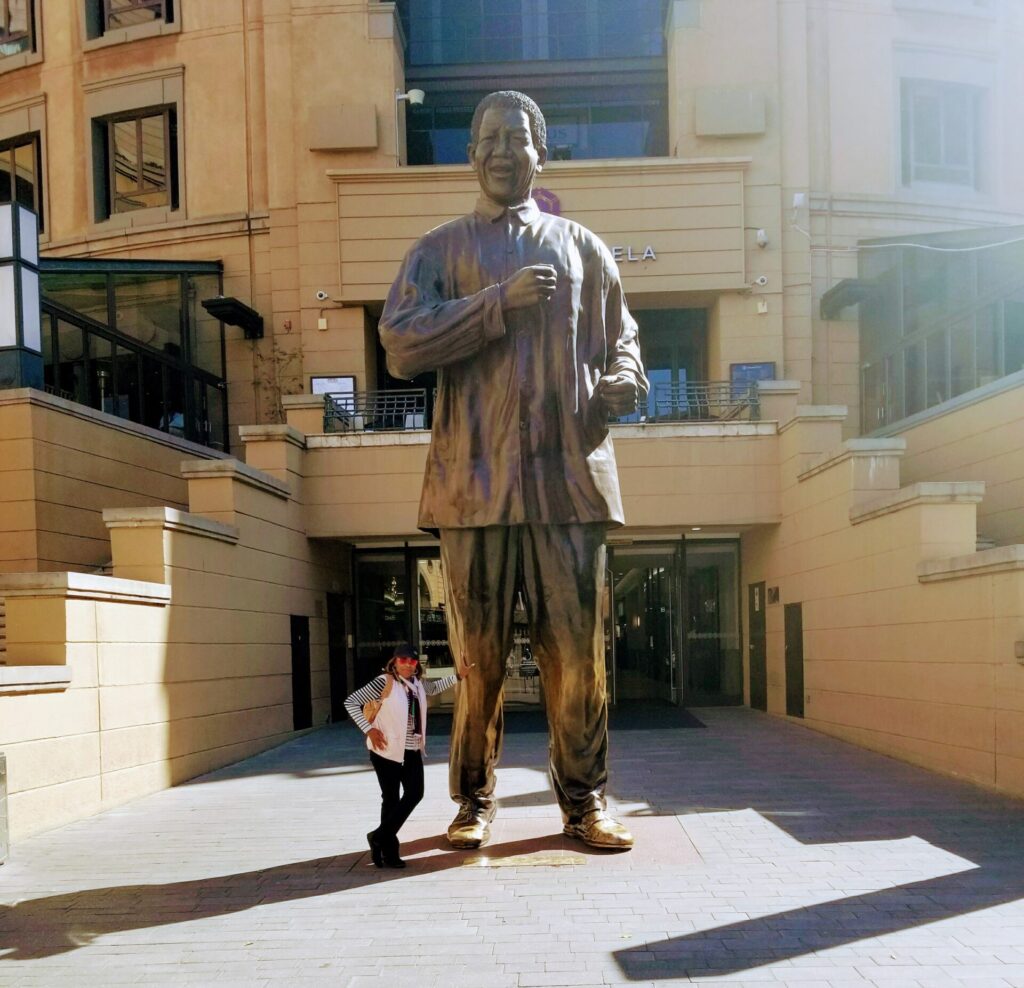
Visitors also walk along Vilakazi Street, one of the only streets in the world where two Nobel Peace Prize winners once lived—Nelson Mandela and Archbishop Desmond Tutu.
But what many people remember most isn’t just the history—it’s how the place feels.
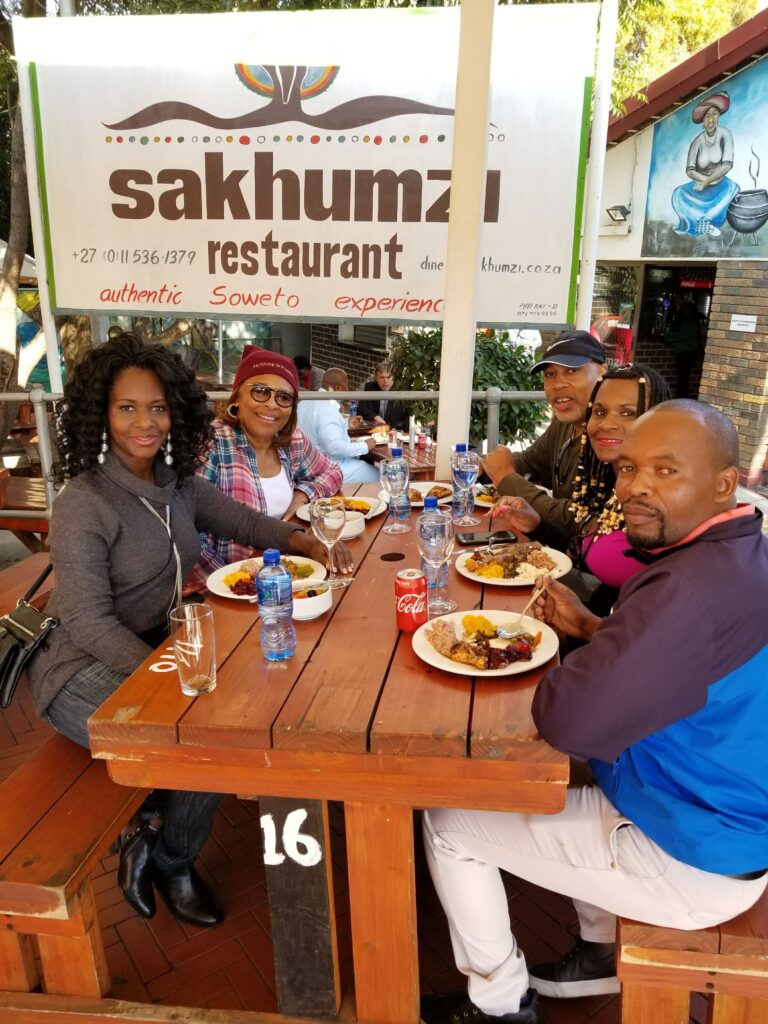
Lunch in Soweto often becomes a natural pause in the day. Restaurants like Sakhumzi offer traditional South African dishes in a relaxed setting—an opportunity to sit, reflect, and take in everything they’ve experienced so far.
What often stays with visitors, especially those coming from the U.S., is the openness of the people they meet. Instead of the heaviness they anticipated, they encounter a strong sense of community and a forward-looking spirit that shapes how Soweto is experienced today.
3. Take a Safari at Pilanesberg National Park
Many travelers visiting Johannesburg want to experience a safari but don’t always have time to travel deep into the bush.
Located about two hours from the city, Pilanesberg National Park offers an excellent introduction to African wildlife.
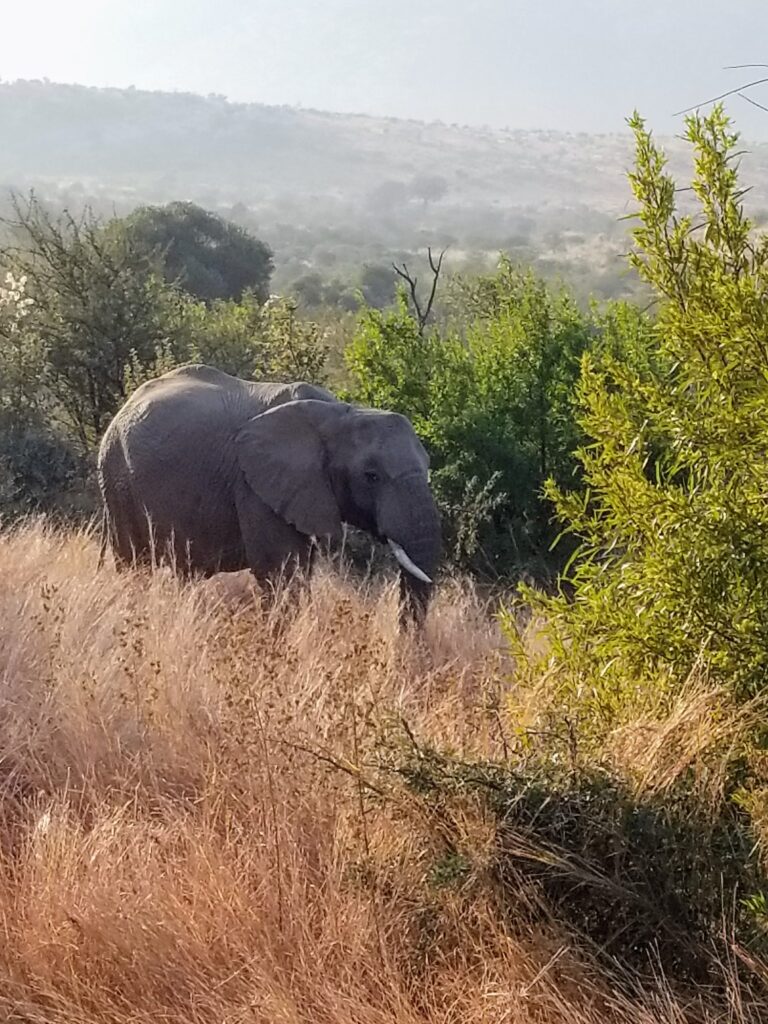
The park sits inside the crater of an ancient volcano and is home to elephants, lions, giraffes, rhinos, and many species of antelope.
For first-time safari visitors, the excitement of spotting wildlife in its natural habitat is unforgettable. I remember one group becoming absolutely thrilled when they saw giraffes moving gracefully across the landscape.
On another visit, we even witnessed a lion kill—an intense reminder that you are observing nature in its rawest form.
Pilanesberg offers a perfect introduction to safari for travelers with limited time.
4. Visit Sun City and the Palace of the Lost City
Just beyond Pilanesberg sits one of South Africa’s most unusual resorts: Sun City Resort.
The centerpiece is the extravagant The Palace of the Lost City, an architectural spectacle inspired by African mythology.
During apartheid, Sun City became controversial because international performers who refused to play in segregated South Africa often boycotted the resort. Today it remains a fascinating place that reflects both the country’s complicated past and its evolving present.
For visitors, the scale and imagination of the property can be surprising—especially when surrounded by the natural beauty of the nearby bushveld.
5. Discover the Cradle of Humankind
Located about an hour outside Johannesburg, the Cradle of Humankind is one of the most important archaeological sites in the world.
This UNESCO World Heritage Site contains some of the earliest evidence of human ancestors.
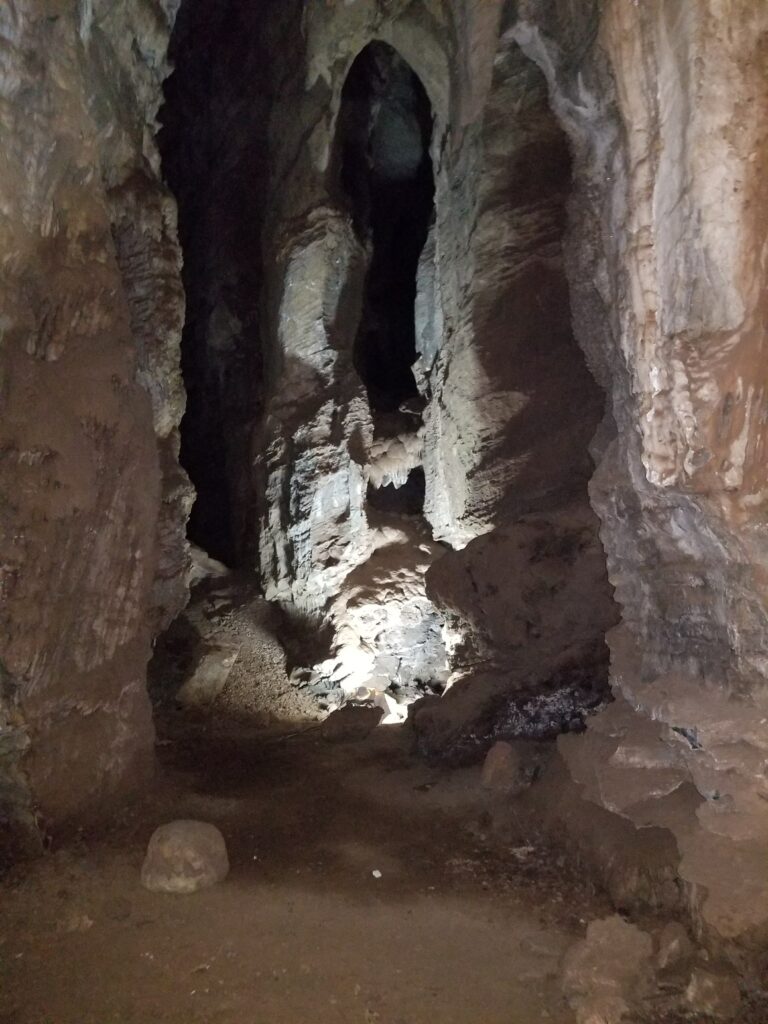
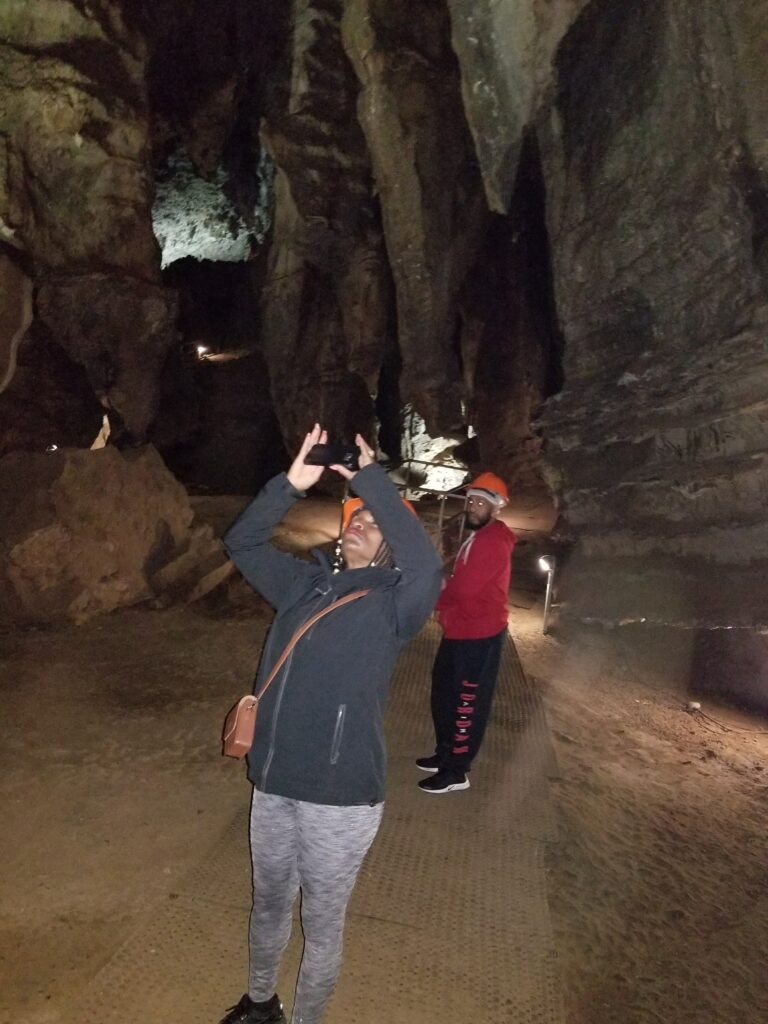
Exploring the Sterkfontein Caves is a fascinating experience. Visitors descend into ancient cave systems where important fossil discoveries were made.
For many of my guests, the experience was both enlightening and humbling. Standing inside those caves connects you to a much larger story about the origins of humanity.
6. Experience Johannesburg’s Cultural Energy
Johannesburg is a true melting pot.
During my years living there, I met people from across Africa and around the world who had come to the city to work, invest, and participate in South Africa’s transformation.
The city pulses with music, languages, art, and entrepreneurial energy. Visitors often remark that they didn’t expect Johannesburg to feel so international and modern.
This cultural vibrancy is part of what makes the city so compelling.
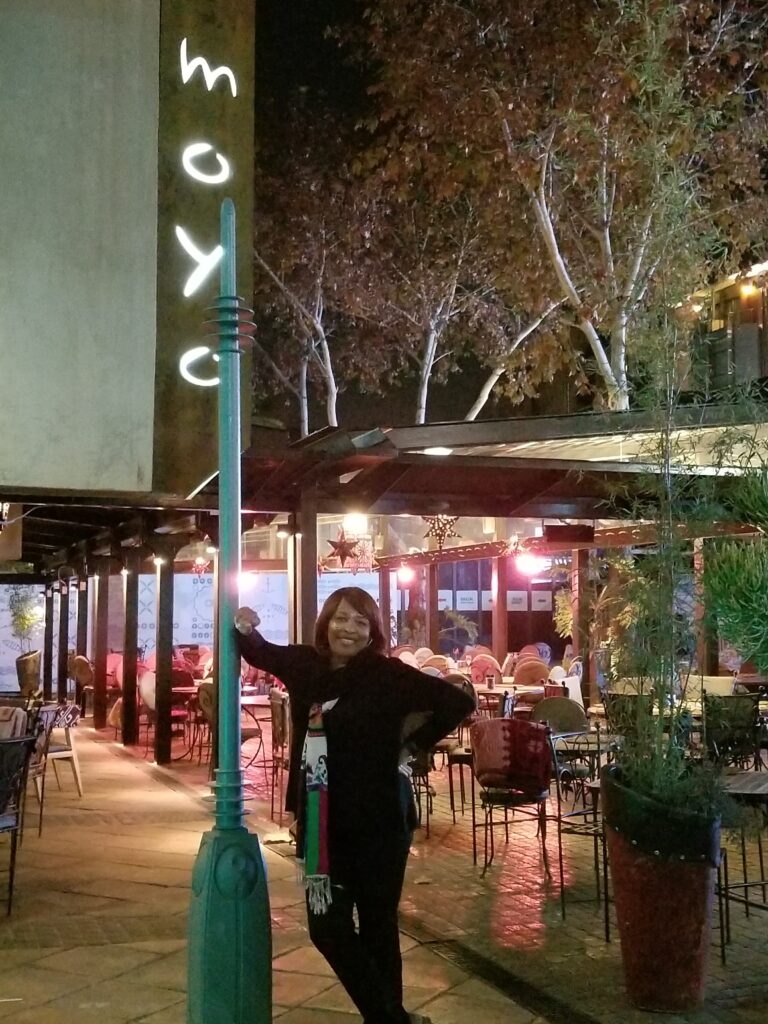
7. Enjoy an Immersive Dinner at Moyo
After days spent exploring history and wildlife, I often ended our itinerary with dinner at Moyo Restaurant Melrose Arch.
Moyo offers a dining experience that blends traditional African cuisine with music, storytelling, and cultural performances. Guests often receive traditional face painting as part of the evening, adding to the festive atmosphere.
For many of my American visitors, this dinner was both fun and slightly adventurous. Earlier in the trip they had seen wildlife on safari, so tasting dishes made with wild game sometimes required a little courage.
But by the end of the evening, everyone felt immersed in the flavors and spirit of Southern Africa.
Planning Your Johannesburg Visit
If you’re planning your first trip to Johannesburg, a few resources can help make your visit easier.
Guided tours
Soweto and Apartheid Museum tours provide historical context that enriches the experience.
→ View Soweto & Apartheid Museum Tours
Safari options
Day safaris to Pilanesberg are one of the most popular wildlife experiences near Johannesburg.
→ See Pilanesberg Safari Options
Travel insurance
International travel insurance can help protect your trip from unexpected delays or disruptions.
Packing tips
Comfortable walking shoes, sunscreen, and a light jacket are helpful when exploring Johannesburg and nearby safari areas.
Final Thoughts
Johannesburg is often misunderstood by travelers who only see headlines or brief impressions.
But spending time in the city reveals something much richer.
It is a place where history, culture, and ambition intersect. A place shaped by struggle and resilience. And a place that continues to evolve as South Africa writes new chapters of its story.
For me, Johannesburg will always represent a time of learning, connection, and transformation.
And for visitors willing to explore it with curiosity, the city offers one of the most meaningful introductions to Southern Africa you can experience.
Support the Team!
If we helped you plan your travels in any way and you want to support us, here are several companies we’re affiliated with. We receive a small commission at no extra cost to you when you click on the links below so feel free to click away! 🙂


No Comments