


Life is a Journey of Escapes is reader-supported. When you buy through links on our site, we may earn an affiliate commission. Learn more
Every visit to Martha’s Vineyard has revealed another layer of the island to me. What began as a beautiful summer escape gradually became something much deeper, as friendships, conversations, and traditions helped me understand the rich African American history woven into this remarkable place.
If you’re new to this series, you may enjoy reading Why Martha’s Vineyard Feels Like Coming Home and Why the First Week of August Feels So Special on Martha’s Vineyard before continuing.
A Small Place with a Big Story
The first time I stood at the Inkwell, I remember thinking how small it seemed.
Coming from California, where beaches stretch for miles, it was hard to imagine that this modest stretch of sand could hold such enormous significance.
People spoke about the Inkwell with affection and pride. It wasn’t simply another beach.
It represented something much bigger.
Over the years, I came to understand that the Inkwell isn’t important because of its size.
It’s important because of what it represents.
Community.
Belonging.
Freedom.
Joy.
That realization changed the way I experienced Martha’s Vineyard.
I Knew the Name Before I Knew the Place
Long before I ever set foot on Martha’s Vineyard, I had heard about it.
Growing up, I remember reading Jet magazine and learning that Congressman Adam Clayton Powell had a home there. At the time, the Vineyard felt almost mythical—a place where accomplished Black leaders gathered, far removed from anything I imagined would someday become part of my own story.
Years later, after moving to Boston, friends invited me to spend time on the island. I accepted because I thought I was visiting a beautiful New England summer destination.
I had no idea I was stepping into a place where history was still very much alive.
History Was Shared, One Story at a Time
One of the things I’ve come to appreciate most about Martha’s Vineyard is that its history isn’t something you simply read on a plaque.
It’s something people share with you.
Friends introduced me to the life and work of author Dorothy West, whose writing and presence became part of the island’s cultural identity.
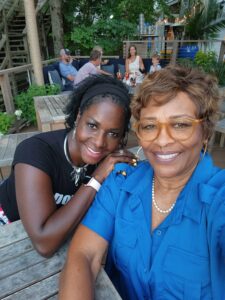
I met families who proudly told stories of parents and grandparents who had spent summers on the Vineyard for generations. Their traditions weren’t just memories—they were part of who they were.
Those conversations slowly changed my understanding of the island.
History wasn’t tucked away in museums.
It was sitting across the dinner table.
Walking beside me on Circuit Avenue.
Living in the stories people so generously shared.
When History Became Personal
One summer, I wandered into a local bookstore and was surprised to find Senator Edward Brooke signing copies of his book.
Here was a man whose name I had long admired—a trailblazing public servant who had helped shape our nation’s history—sitting quietly, greeting everyone with warmth and kindness.
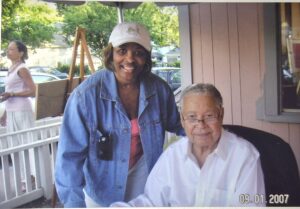
He signed my book, and we had the opportunity to visit briefly.
What struck me most wasn’t that I had met a former United States Senator.
It was how approachable he was.
There was no pretense.
Just a gracious man taking time with people who wanted to meet him.
In that moment, history no longer felt distant.
It felt wonderfully human.
It reminded me that many of the people who shaped important conversations in politics, civil rights, literature, and culture had also found community on Martha’s Vineyard.
The Inkwell Continues to Tell Its Story
As the years passed, I learned that the Inkwell wasn’t simply a historic beach.
It remains a gathering place.
A place where friendships are formed and traditions continue.
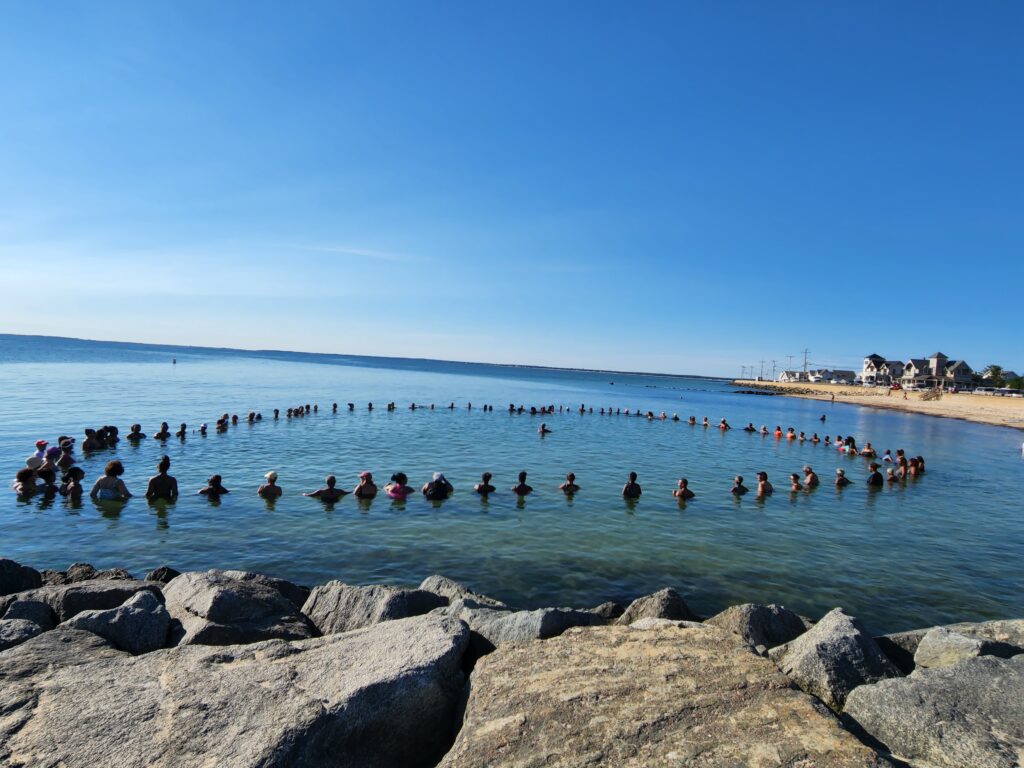
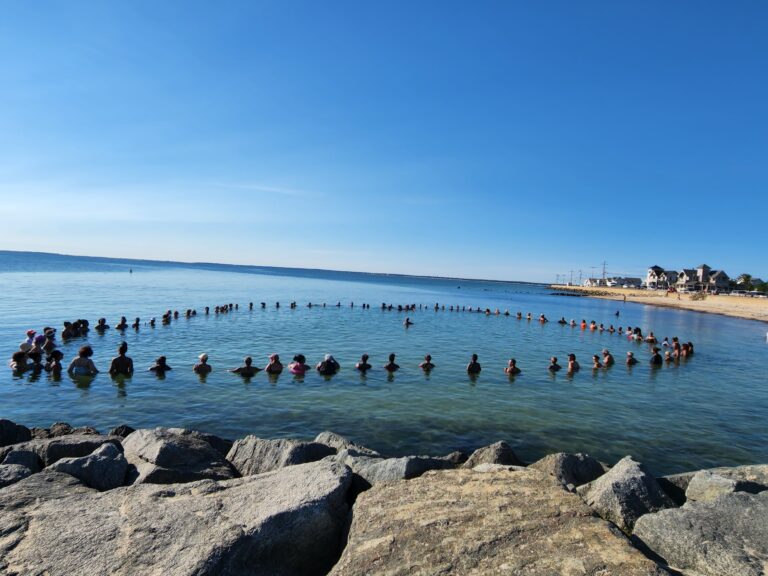
One summer, my niece and I joined the famous Polar Bears for an early morning plunge into the Atlantic.
Yes…the water was cold!
But what I remember most wasn’t the temperature.
It was the sense of welcome.
One of the women who helped establish the Polar Bears decades earlier—well into her eighties—was still there, encouraging newcomers and building community with the same joyful spirit.
Watching her made me realize that history isn’t only about remembering the past.
Sometimes it’s about continuing traditions that bring people together year after year.
Understanding the Story Behind the Place
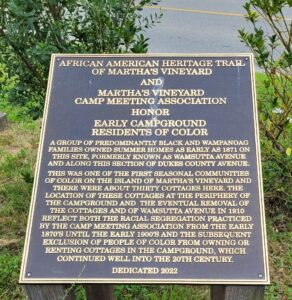
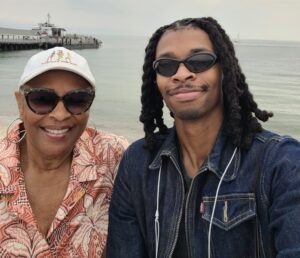
Although I had visited Martha’s Vineyard many times, I didn’t walk the African American Heritage Trail until my niece and great-nephew joined me.
By then, I already loved the island.
But I wanted them to understand why it mattered.
Walking the trail connected many of the stories I had heard over the years to the places where they happened.
It deepened all of our appreciation for the people who helped shape this remarkable community.
Sometimes understanding a place requires more than seeing it.
Sometimes it requires listening.
Preserving More Than History
One of my close friends later became president of The Cottagers, Inc., a historic nonprofit organization of African American women homeowners on Martha’s Vineyard dedicated to preserving cultural pride while supporting charitable, educational, and community service projects.

Watching her embrace that responsibility gave me another perspective on the Vineyard.
She led a capital campaign to restore the organization’s historic building, ensuring it would continue serving future generations.
I was proud of her—not simply because of the leadership role she held, but because I saw firsthand the dedication it takes to preserve a community’s legacy.
Later, while walking the Heritage Trail with my family, I met several women from The Cottagers.
Once again, I realized that Martha’s Vineyard’s history isn’t preserved only through historic sites.
It’s preserved through people who care enough to carry those stories forward.
The History I Came to Understand
Many visitors come to Martha’s Vineyard and never explore its African American history.
I understand why.
The beaches are beautiful.
The towns are charming.
The restaurants are wonderful.
The sunsets are unforgettable.
There is so much to enjoy in the present.
But I’ve come to believe that one of the island’s greatest treasures is the history that lives quietly beneath those experiences.
Not hidden.
Simply waiting to be shared.
When I first came to Martha’s Vineyard, I thought I had discovered a beautiful place to spend the summer.
Over the years, I realized I had discovered something much more meaningful.
A place where history is preserved not only through landmarks and historic homes, but through conversations, friendships, traditions, and the generosity of people who take the time to share their stories.
That’s the history I came to understand on Martha’s Vineyard.
It wasn’t simply a history I learned.
It was a history that people generously shared with me.


No Comments